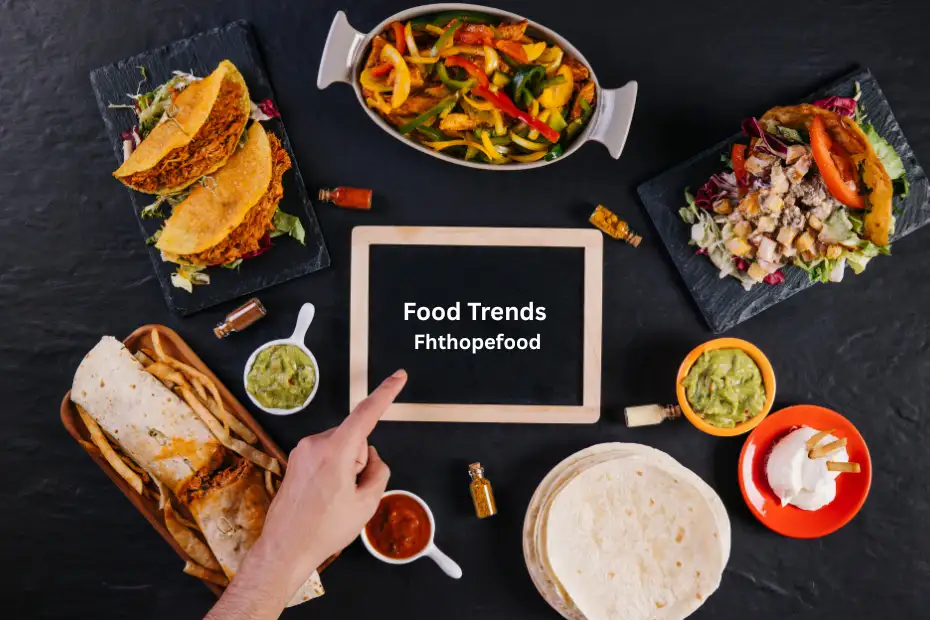
Food is no longer just a necessity; it’s an experience, a statement, and a reflection of personal values. From what we eat to how we eat it, the culinary landscape is changing faster than ever. Food Trends FHTHopeFood is at the heart of this evolution, highlighting the innovations, cultural influences, and sustainability practices that are redefining how the world eats. Today, people want meals that are nutritious, ethical, and environmentally friendly, all while remaining flavorful and satisfying.
The Shift Toward Conscious Eating
Eating consciously has become a defining feature of modern food culture. No longer is the focus solely on taste or convenience; people are considering the broader impact of their choices. Conscious eating means selecting foods that promote personal health, reduce environmental harm, and support fair trade practices. Food Trends FHTHopeFood emphasizes this shift, showing how plant-based diets, seasonal and local sourcing, and minimizing food waste are increasingly influencing consumer behavior. Today, dining is as much about values as it is about flavor.
Plant-Based and Alternative Proteins
One of the most significant changes in eating habits is the rise of plant-based diets. Legumes, grains, nuts, and even lab-grown proteins are increasingly becoming staples in households around the world. Food Trends FHTHopeFood points out that this trend is fueled by multiple factors health benefits, ethical concerns, and environmental sustainability. Reducing reliance on animal proteins can significantly lower greenhouse gas emissions, conserve water, and lessen the strain on livestock farming. This shift is not a passing trend it is quickly becoming a permanent feature of global food culture. Even beyond meat alternatives, innovation in plant-based dairy, eggs, and seafood is gaining attention. Almond, oat, and pea milk varieties are now commonplace, and vegan cheeses and fish substitutes are showing that taste and nutrition can go hand in hand with sustainability.
Technology Revolutionizing Food Production
From farm to table, technology is reshaping the food industry. Vertical farming, hydroponics, AI-assisted agriculture, and drone-assisted crop monitoring are no longer futuristic concepts—they are happening today. Food Trends FHTHopeFood highlights how these innovations allow for the production of fresh, nutrient-rich food in urban areas, reducing the need for long-distance transportation and lowering carbon footprints. Automation in kitchens and food processing is also increasing efficiency. Smart ovens, AI-assisted meal prep, and robotic food delivery are making it possible for consumers to enjoy fresh, healthy meals with minimal effort. Technology is making food more accessible, sustainable, and customizable than ever before.
Fusion Cuisine A Global Culinary Dialogue
In today’s connected world, culinary boundaries are blending in exciting ways. Chefs are experimenting with flavors, techniques, and ingredients from across the globe, creating dishes that celebrate diversity. It illustrates how fusion cuisine brings together cultural influences, turning meals into experiences that are as much about storytelling as they are about flavor. Korean tacos, Japanese-Peruvian sushi, and Indian-inspired pizzas are just a few examples. Fusion cuisine encourages creativity, experimentation, and appreciation of global culinary heritage. It’s not just about novelty, it’s about connecting cultures and expanding the palate in meaningful ways.
Personalized Nutrition for Optimal Health
Eating habits are increasingly tailored to individual needs. With advances in wearable technology, genetic testing, and AI-driven dietary apps, meals can now be customized for optimal nutrition and wellness. Food Trends FHTHopeFood highlights how this personalization helps individuals improve energy levels, manage weight, and enhance overall health. Personalized nutrition goes beyond calorie counting—it considers metabolism, activity levels, allergies, and personal preferences. This ensures that every meal is not only delicious but also aligned with the body’s unique requirements. By embracing personalized nutrition, people are making more informed choices that support long-term health.
Eating with Purpose in Modern Cuisine
Sustainable eating is no longer optional, it’s essential. Consumers are increasingly expecting food brands and restaurants to take responsibility for their environmental impact. Food Trends FHTHopeFood emphasizes the growing importance of eco-conscious practices, including regenerative farming, ethical sourcing, reducing packaging waste, and promoting fair labor standards. The modern diner rewards brands that demonstrate a commitment to the planet. From zero-waste grocery stores to farm-to-table restaurants, sustainability is reshaping the way food is produced, distributed, and consumed. Ethical practices are becoming a key factor in purchasing decisions, reflecting a shift in global priorities.
Experiential Dining
Dining is evolving from a basic activity into an immersive experience. Pop-up restaurants, themed cafes, and interactive cooking workshops are transforming how people engage with food. It highlights that experiential dining is about more than flavor; it’s about connection, creativity, and storytelling. Experiential dining allows consumers to explore the origins of their food, participate in preparation, and engage with chefs in ways that traditional restaurants rarely allow. These experiences foster community, encourage curiosity, and create lasting memories that go beyond a simple meal.
Wellness-Oriented Foods
Modern consumers increasingly view food as a source of wellness. Superfoods, probiotics, adaptogens, and other functional ingredients are being incorporated into everyday meals to support immunity, mental health, and vitality. Food Trends FHTHopeFood underscores how this trend aligns with a holistic approach to health, making food a tool for self-care. From turmeric lattes to kombucha and nutrient-dense bowls, wellness-oriented foods are accessible, flavorful, and functional. By integrating these ingredients, consumers are taking proactive steps to improve their well-being through mindful eating.
The Evolution of Dining Spaces
The way people eat is also changing physically and digitally. Smart kitchens, ghost kitchens, AI-assisted ordering, and food delivery apps are making meals more accessible and convenient than ever. FHTHopeFood shows that dining is no longer confined to traditional spaces. Restaurants and digital platforms are merging to create seamless, efficient, and enjoyable food experiences. Virtual culinary events and online cooking classes are also growing in popularity. These experiences bring global cuisines into homes, allowing people to explore new flavors and techniques from anywhere in the world.
Food Trends FHTHopeFood What the Future Holds
The trends highlighted by Food Trends FHTHopeFood are more than short-lived fads; they are shaping the future of how we eat. By embracing sustainability, technology, global flavors, wellness, and personalization, modern food culture is redefining expectations and experiences. Consumers, chefs, and entrepreneurs are actively participating in this transformation, confirming that meals are nutritious, environmentally friendly, and culturally rich. As the world continues to evolve, staying informed about emerging food trends is crucial. Itprovides inspiration and guidance for anyone looking to make better choices, celebrate diverse cuisines, and engage in sustainable practices. With these insights, food becomes not just nourishment but a vehicle for creativity, connection, and conscious living.
FAQs (Frequently Asked Questions)
Q1: What is FHTHopeFood?
FHTHopeFood is a platform and movement highlighting modern food trends, emphasizing sustainability, wellness, and innovation in the culinary world.
Q2: Why is plant-based eating gaining popularity?
Plant-based diets benefit personal health, reduce environmental impact, and align with ethical food choices.
Q3: How is technology influencing food trends?
Technology improves growing methods, food delivery, and personalized nutrition through AI, vertical farming, and smart kitchen innovations.
Q4: What is fusion cuisine?
Fusion cuisine combines flavors, techniques, and ingredients from different cultures to create innovative and memorable dishes.
Q5: How does FHTHopeFood promote sustainability?
FHTHopeFood encourages ethical sourcing, regenerative farming, eco-friendly packaging, and reducing food waste to protect the environment.
Conclusion
The way we eat is changing rapidly, thoughtfully, and creatively. Food Trends FHTHopeFood is leading this transformation, demonstrating how innovation, sustainability, wellness, and cultural diversity are redefining meals worldwide. From plant-based proteins and personalized nutrition to fusion cuisine and experiential dining, the trends shaping today’s food landscape are not just temporary fads; they are long-term shifts that reflect changing values, technologies, and lifestyles.