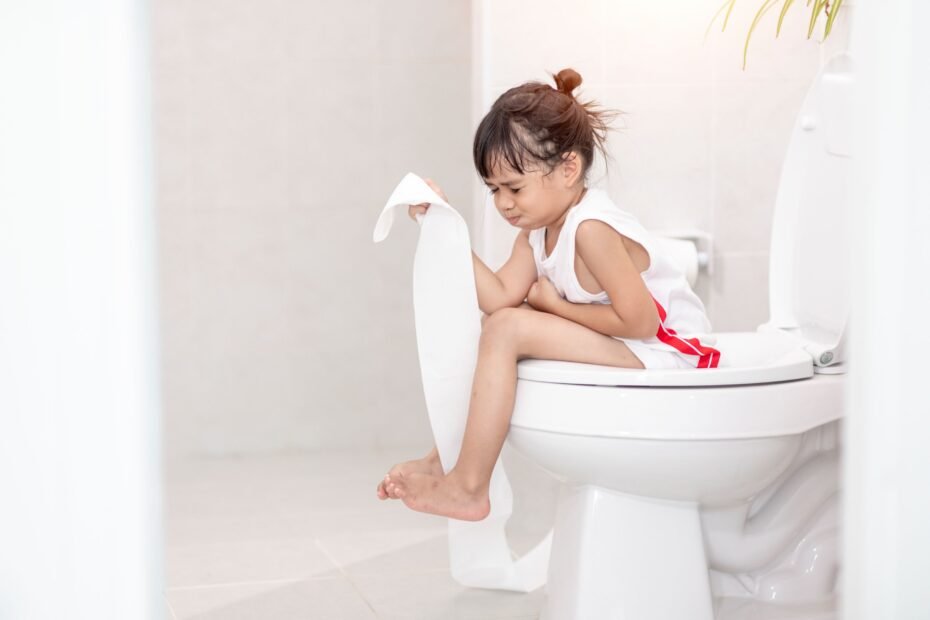
Few things in life are harder for parents to endure than watching a little one suffer from constipation.
The crying fits, their squirmy discomfort and general unhappiness. It’s downright demoralizing. But it’s also so common! Baby gets constipation, big brother gets it, and, wait for it, mom and dad do too.
When it comes to how to help out with illness, most mamas and papas know the basics: Keep those hydrating liquids coming, assess the state of things in the food realm, and loop in the healthcare provider with inquiries as needed. Sometimes, other ideas may come into play for families when the situation calls for it: a constipation relief product, say, with options like a stool softener for babies from Coloxyl, which comes in formulas created for kiddos and adults alike.
Understanding Constipation in Babies and Children
Constipation may look different in babies and children than we typically expect. One child may have infrequent stools, or another child may have hard, infrequent, or large stools, discomfort, gas, or visible straining. There are also many causes, such as changes in feeding, introduction of solid foods, dehydration, traveling, or illnesses.
The instinct for most parents is to “fix” the problem right here and now, today. But the usual recommendations of healthcare professionals are to handle things in a calm, careful manner to get normal bowel movement on a regular, predictable basis. With just a few necessary steps, this seemingly intractable problem can be managed. Plus, a few easy changes to the lifestyle can go a long way to encouraging proper bowel habits, especially if done with the guidance of a pharmacist or healthcare provider.
Small children and even infants need to make sure they are using the correct baby constipation remedy, and this will always mean following any and all label instructions to the letter, even if use will be regular. Young children’s stomachs are still developing, and they can be very sensitive, so extra care will need to be taken.
A Closer Look at Coloxyl Products
Coloxyl products are designed to help alleviate constipation in adults and in children. The range includes oral drops, tablets, and product combinations, designed to assist in easy, gentle bowel movements when the need arises, according to a detailed product overview.
One familiar product for parents may be the Coloxyl Oral Drops, which are specially designed to cater to children at times as advised by healthcare practitioners. The drops are intended to help soften the stools, which in turn may be a help to minimize the discomfort and symptoms sometimes experienced with constipation.
There are also other types of Coloxyl products marketed to adults for tailoring to different needs or preferences. Some products combine ingredients that soften the stool while stimulating the bowel to help empty the bowel more quickly. Other products are centered around providing gentle results instead of stronger results. Because everyone has different experiences with constipation, a healthcare professional will help determine the right approach.
More importantly, the thing most prominently highlighted in Coloxyl information is that everyone should carefully follow the instructions on the product package of Coloxyl and ask a healthcare professional for guidance if symptoms do not improve or if constipation issues continue to recur.
Supporting Health at Home
For many kids (and adults), making a few small adjustments to their daily routine can help make constipation more manageable. Things like drinking enough water, eating balanced meals, and sticking to a routine can all help to support happier digestion.
For some babies just starting out on solid foods, introducing new foods slowly can help to keep their little tummies happy. Try to allow time for gentle movement and tummy time, as this can help to support a more normal digestive rhythm as well. Some older kids might benefit from a gentle schedule and some gentle words of support if they’ve developed a little phobia around passing stool.
Even adults can find themselves facing issues that make digestion less than happy, usually due to the busyness of life or a diet that could use a little work on the fresh veggie front. Simple things like moving more and drinking enough water are tried-and-true methods to keep digestive health in line day to day.
Knowing When to Seek Professional Advice
Babies and kids get constipated a lot. Lots of times it’s nothing to worry about. But if “nothing to worry about” has been going on for a pretty good amount of time, that means it’s time to get in touch with a GP. When a baby doesn’t seem to feel good, or isn’t eating the way they usually do, or can’t poop, and nothing is working, the person who takes care of them should call the doctor’s (healthcare professional) office. Same story if a baby has diarrhea, or seems so uncomfortable that they are crying a lot, or if they can’t keep down much milk or food.
For most families, treating constipation means more than just seeking a “quick fix” — even then, the most important thing to provide is comfort and a consistent, healthy routine in a way that is safe and evidence-based. With expert advice, lifestyle support, and an appropriate choice of products, dealing with constipation doesn’t have to turn your life upside down.