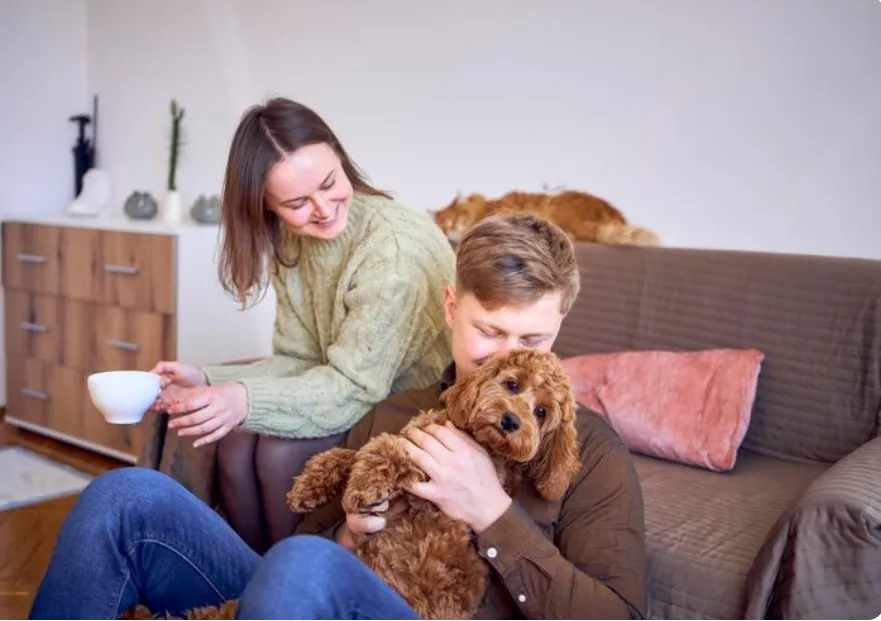
If every time your family member sneezes, it’s whenever the family dog walks past the sneezer, then it’s very likely you’ve told yourself time and time again that getting a dog just isn’t for your family. However, the good news is that it might be. Many families with members that suffer from allergies are happily owning dogs in the best way possible – by choosing the right breed for those with allergies.
All breeds of dogs contain allergens; however, the substance responsible for most pet allergies is not the fur on the dog but the protein in their saliva and urine and the dander they shed. However, dogs with low shedding find ways to reduce the amount of protein found in their bodies, making them ideal companions for those with allergies in the family.
Here’s a look at some of the best low-shedding dog breeds for families and what you need to know about each breed.
What “Hypoallergenic” Actually Means
Before we dive in, it’s worth understanding what the term hypoallergenic means. Hypoallergenic doesn’t mean allergy-free – it just means less likely to trigger an allergic reaction in those who are sensitive to allergens. Low shedding dogs produce less dander in the home due to their coats being able to trap the loose hairs, meaning they require more regular grooming to reduce the amount of dander they produce around the home.
If allergies are a concern in your household, it’s always worth taking the time to interact with the breed prior to purchase – most breeders and rescue organisations will accommodate this request.
1. Cavoodle (Cavalier King Charles Spaniel × Poodle)
Best for: Families with young children, first-time dog owners, allergy sufferers
If there’s one breed that has taken Australian families by storm, it’s the Cavoodle. Cavoodles are the cross between the gentle Cavalier King Charles Spaniel and the intelligent, low-shedding Poodle breed.
Cavoodles have a low-shedding, low-dander coat that’s perfect for allergy sufferers. Their coat comes in toy and miniature sizes, making them perfect for cities and the suburban homes alike. Cavoodles are among the most family-friendly breeds due to their gentle, even-tempered dispositions.
They are patient with children, deeply loyal to their owners, and easy to train. For those searching for a dog breed that ticks all the boxes and offers something special to the family that welcomes them into the home, the Cavoodle is a breed that can’t be overlooked.
Key facts:
- Size: Small (5–12 kg)
- Lifespan: 10–14 years
- Coat: Soft waves or curls; low-shed
- Grooming: Brush several times a week; professional groom every 6–8 weeks
- Exercise: Moderate — daily walks and some playtime
Ready to find a Cavoodle? Browse Cavoodles for sale across Australia on PetsForHomes — Australia’s most trusted free pet marketplace, with hundreds of listings from registered breeders.
2. Poodle (Standard, Miniature, or Toy)
Best for: Active families, older children, experienced dog owners
The Poodle is the gold standard of hypoallergenic dogs – for good reason. Their shed minimal amount of hair and dander due to their curly coat. Professional groomers will keep their coat looking neat and further reduce the amount of allergens they release into the air.
Poodles are also some of the smartest dog breeds out there. They require training and get along very well with their families. The standard breed is more athletic and playful, while the miniature and toy poodle breeds are better for smaller homes.
Finally, they are the breed behind some of the most popular designer breeds in Australia (Cavoodles, Labradoodles, Groodles). All of these breeds contain the hypoallergenic coat that the poodle is famous for.
Key facts:
- Size: Toy (under 5 kg) to Standard (20–32 kg)
- Lifespan: 12–15 years
- Coat: Dense curls; minimal shedding
- Grooming: High maintenance — professional groom every 6–8 weeks
3. Bichon Frise
Best for: Families in apartments, households with young children, seniors
The Bichon Frise is practically purpose-built for allergy sufferers – its soft, curly coat sheds very little hair, and its small body means there’s less dog to manage!
Bichons tend to have rather pleasant dispositions – they’re cheerful, gentle, and very affectionate with their owners and children. While not particularly energetic dogs, they do enjoy play sessions with their human companions.
Regular brushing keeps their coat from matting, so while they do require some care, they make wonderful companions for families willing to provide it.
Key facts:
- Size: Small (3–5 kg)
- Lifespan: 12–15 years
- Coat: Curly, fluffy double coat; low-shed
- Grooming: Daily brushing; professional groom every 4–6 weeks
4. Maltese
Best for: Families in smaller homes or apartments, gentle households
Maltese dogs are one of the oldest toy dog breeds in the world. The breed does not shed its coat like the double-coated dog breeds; it does not have an undercoat to its long, silky coat. Maltese dogs are gentle and devoted to their owners. These dogs will form a close bond with the primary caregiver of the dog and are better suited to homes with older children who can take care of a small dog breed. While the long coat of the breed is high maintenance, many Maltese dog owners opt for the pup cut of the breed to make grooming easier for the family.
Key facts:
- Size: Very small (2–4 kg)
- Lifespan: 12–15 years
- Coat: Silky, single-layer; low-shed
- Grooming: Daily brushing if long coat; professional groom every 6–8 weeks
5. Portuguese Water Dog
Best for: Active families, households with plenty of space, older children
The Portuguese Water Dog breed became globally famous when the Obama family chose one of these dogs to be their family’s White House dog – in part, due to their reputation for being allergy-friendly like a Poodle.
These dogs are energetic and intelligent, and have a love for participating in the activities of their human families. As working dogs developed by fishermen, they are strong swimmers and love to get involved in outdoor adventures with their families.
If you are looking for a dog that enjoys staying active along with its humans, then the Portuguese Water Dog breed will be a brilliant addition to your family.
While not a common breed to find in Australia, these dogs can be found from reputable breeders through registered breeding associations.
Key facts:
- Size: Medium (16–23 kg)
- Lifespan: 11–13 years
- Coat: Wavy or curly; low-shed
- Grooming: Regular brushing; professional groom every 6–8 weeks
6. Schnauzer (Miniature)
Best for: Families with moderate energy, suburban or apartment living
Despite the fact that the Miniature Schnauzer is considered to be an underrated breed for allergic families, the breed naturally sheds very little at all. Furthermore, the breed possesses the sturdy and robust physique necessary to tolerate the roughhousing that children may direct at their puppy.
Overall, these dogs are alert, loyal, and have bags of personality. They are confident dogs without being aggressive, they are trained without being too dependent upon their owners, and they are simply enjoyable companions for any family. However, their vocal nature may be something to consider in relation to their neighbors.
Key facts:
- Size: Small (5–9 kg)
- Lifespan: 12–15 years
- Coat: Wiry outer coat, soft undercoat; low-shed
- Grooming: Regular brushing; professional groom every 6–8 weeks
7. Labradoodle
Best for: Larger families, active households, children of all ages
The Labradoodle breed, a cross between a Labrador Retriever and a Poodle, was actually created in Australia in the 1980s as a guide dog for people with allergies. The heritage of this dog breed indicates that those with more Poodle in their genetics will have coats that are naturally wavy and will shed less around those with allergies.
Compared to other breeds with naturally shedless genetics, Labradoodles may shed more or less depending on the amount of Labrador Retriever genetics in them. However, it is recommended to get a multi-generation Labradoodle for those with allergies to ensure the dog sheds less.
Labradoodles are playful, social, and have patience for children making them one of the best dog breeds for families with little children.
Key facts:
- Size: Medium to large (15–35 kg depending on type)
- Lifespan: 12–14 years
- Coat: Varies from wavy to curly; low- to moderate-shed
- Grooming: Regular brushing; professional groom every 6–8 weeks
Tips for Reducing Allergens at Home (Whatever Breed You Choose)
Even with a low-shedding dog, a few habits will go a long way in keeping allergen levels down:
- Groom regularly. Bathing and brushing your dog consistently reduces the amount of dander that builds up on their coat.
- Use a HEPA air purifier. These are particularly effective at capturing pet dander particles from the air.
- Keep some rooms dog-free. Giving allergy sufferers a space — especially bedrooms — where the dog doesn’t go can help enormously.
- Wash bedding and soft furnishings frequently. Dog dander clings to fabric, so regular washing helps.
- Vacuum with a HEPA filter vacuum. Standard vacuums can recirculate dander; HEPA filter models trap it.
Finding Your Perfect Low-Shedding Family Dog
Whatever breed you choose, take your time, ask plenty of questions, and if possible, spend a few hours with the dog or a sibling from the same litter before making your decision. For families with allergy concerns, that hands-on time is invaluable — and more often than not, the answer is a happy yes.