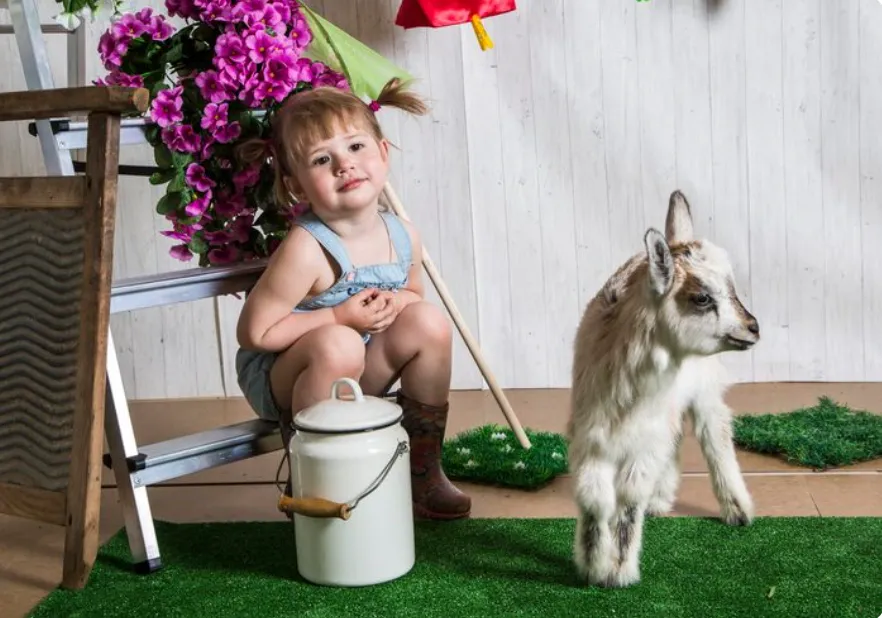
A new baby changes every home, but a farm home needs a different kind of preparation. The usual checklist, diapers, crib, bottles, blankets, only covers part of the job. On a farm, animals shape the rhythm of the day, the layout of the property, the dirt that comes in on boots, the smells in the air, and the noise outside the window. Dogs run between the yard and the kitchen. Cats slip into warm corners. Horses kick the ground in the barn. Chickens scratch near walkways. Pigs root around fences. Cows move with a slow calm that can turn risky if they feel crowded or startled. A baby enters all of that.
The goal is not to turn a farm into a spotless, silent suburban house. That is neither realistic nor necessary. The goal is to make the home safe, clean enough, organized, and calm enough for a newborn, while also respecting the needs and habits of the animals already living there. That takes planning. It means thinking about space, hygiene, routine, supervision, and animal behavior before the baby arrives, not after the first chaotic week.
The first mistake many people make is focusing only on the nursery. The nursery matters, but it is only one room. A farm baby will be affected by what happens at the front door, in the mudroom, near the laundry area, around feeding stations, outside the barn, and in every part of the house where animals already move freely. Preparation starts by looking at the whole property as one connected system. Dirt from the stable reaches the floor by the couch. A dog that jumps on guests will also jump when the baby comes home. A cat that sleeps in open baskets may see a bassinet as one more cozy place. A horse that has never seen a stroller may react to its shape or sound. These details matter because babies are fragile, and farm life is busy enough that small problems grow fast when no one plans ahead.
The best time to prepare is several weeks or even months before the birth. Animals often react badly to sudden change. People do too. If you wait until the baby is home, everything feels louder, dirtier, and less controlled. Parents are tired. Animals are curious. The house becomes crowded with visitors, gifts, and new equipment. Good preparation reduces that stress. It gives the adults a system to follow and gives the animals time to adapt.
Start by Redefining the House, Not Just Decorating It
The most useful first step is to walk through the house and property as if you were seeing it for the first time. Look at every doorway, feeding area, sleeping area, and path between the house and the barns. Ask a simple question at each point, what comes through here, and who uses it? On a farm, the answer is rarely simple. A back door may carry boots, feed bags, wet dogs, muddy children, cat hair, and cold air from outside. A hallway may connect the nursery to the room where barn clothes are dropped. A porch may be where dogs wait after chores. These shared points create most of the mess and many of the risks.
A baby needs a more controlled indoor environment, which means the house should be divided into zones. One zone should handle the outside world, boots, jackets, animal gear, work gloves, dirty clothing. A second zone should be the family living area, cleaner, calmer, and easier to maintain. A third zone should be the baby’s core area, the nursery, sleep space, diaper station, and the room where feeding and rest happen most often. You do not need a huge home to create these zones. You need clear rules and a setup that supports them.
The entry point matters most. If your farm house has a mudroom, use it properly. Add hooks, bins, a bench, laundry baskets, and easy storage for outdoor clothing. Keep disinfecting wipes, hand soap, and a covered trash can there. Put a washable rug at the entrance and another just inside the door. If you do not have a mudroom, build a simple version near the main entry used after chores. The goal is to stop dirt before it travels into the home. That includes animal waste, straw, dust, feed particles, and bacteria from boots or hands.
The baby’s room should be placed as far as practical from the noisiest and dirtiest traffic path. If one side of the house faces the barn doors, tractors, barking dogs, or early morning feeding noise, consider using a quieter room if you have a choice. The nursery does not have to be large or styled like a magazine photo. It needs airflow, stable temperature, surfaces that clean easily, and a layout that supports tired parents at night. Keep the room simple. Too much fabric, clutter, and decorative storage creates more places for dust, hair, and dander to collect.
This is also the time to decide which animals still have access to the house, and where. Many farm families are used to open movement. Dogs come in and out. Cats drift between couches, windowsills, and beds. That setup may need to change. If you plan to limit access later, do it before the baby arrives. A dog should learn now that the nursery is off limits, not on the day the baby comes home. A cat should stop sleeping in the crib long before anyone puts a baby in it. If you bring in gates, closed doors, or new boundaries too suddenly, animals may respond with stress, scratching, barking, or persistent attempts to get in.
Prepare Each Animal by Species, Temperament, and Habit
One of the biggest mistakes in farm homes is treating all animals as one category. They are not. Each species brings a different kind of risk, and each individual animal has its own habits. A calm old farm dog is not the same as a young working dog with high energy. A cat that avoids people is not the same as a cat that claims every warm surface in the house. A horse can be gentle and still dangerous because of size alone. Pigs and cows are often underestimated because people get used to them. Chickens seem harmless until people forget the hygiene issues they create.
Dogs usually need the most preparation because they often share the home most closely. Start with obedience, not because the dog is bad, but because clear control becomes more important when adults are sleep deprived. A dog should respond reliably to sit, stay, leave it, down, and go to place. If the dog jumps on people, barks at movement outside, guards food, or pushes through doorways, work on those issues before the birth. Do not assume the dog will “just know” to be gentle with a baby. Dogs react to scent, sound, routine changes, and adult stress. A crying baby, rocking chair, stroller, or late-night movement can all trigger interest or anxiety. Calm behavior should be practiced in advance.
Cats need a different approach. Most are not a physical threat in the same way large dogs can be, but they create other problems. They shed, track litter, jump onto sleeping surfaces, and dislike sudden changes in territory. Keep the crib and bassinet off limits early. Use closed doors if needed. Place baby furniture in the room well before the birth so the cat has time to lose some curiosity. Keep litter boxes far from the nursery and clean them often. Farm cats that move between indoors and outdoors can bring dirt, fleas, and parasites, which makes routine vet care more important when a newborn is coming.
Horses should never be part of a baby’s daily space, but they still need thought because they affect the adults’ routine and because babies eventually get carried outdoors. Horses react to movement, sound, unusual shapes, and tension in handlers. A stroller, carrier, or bundled infant may be unfamiliar. Introductions, when they happen, should be distant and controlled. No one should carry a baby close to a horse just because the horse is “usually nice.” A horse does not need bad intent to cause harm. Startle response, swinging head movement, crowding at a gate, or shifting weight is enough.
Cows and pigs deserve the same respect. Their size alone makes them risky around infants and tired adults. A parent holding a baby should not be stepping into a pen where feeding excitement is high or where animals compete for space. Pigs can be intelligent and social, but they can also push, root, and bite. Cows can appear calm while still crowding dangerously, especially around feed or calves. If baby care and livestock chores overlap, chore planning matters. Some tasks may need to be handed off. Some may need to be rescheduled for times when another adult can watch the baby.
Chickens are easy to overlook because they live farther from the house in many cases, but they pose hygiene issues that matter. Feathers, droppings, dust, and bacteria travel on shoes, tools, baskets, and hands. If children in the family collect eggs or move in and out of the coop, those transition points need stronger rules. A newborn does not belong near a chicken coop, and anyone handling birds should wash thoroughly before touching baby items.
Temperament matters as much as species. The animal that worries you most may not be the greatest risk. Often the real issue is the one that is too bold, too curious, too jealous, too noisy, or too used to total freedom. Watch behavior honestly. A baby is not the time to keep romantic ideas about how sweet every animal is.
Clean for Health, Not for Show
Farm homes are never sterile, and they do not need to be. Still, a newborn’s immune system is immature, so hygiene deserves attention. The right standard is not perfection. It is controlled cleanliness in the places that matter most. That means floors, hands, feeding surfaces, baby laundry, sleep spaces, and entry points should get more attention than decorative details.
Handwashing becomes one of the most important habits in the house. Anyone coming in from the barn, coop, yard, stable, or dog run should wash before touching the baby, bottles, pacifiers, blankets, or breast pump parts. Put soap where people will actually use it. Keep towels clean. If sinks are not close to the main entrances, place sanitizer nearby, but do not treat it as a full replacement when hands are visibly dirty.
Laundry systems matter more on a farm than many people realize. Separate work clothes from baby laundry. Clothes worn in animal areas should not end up on the nursery floor or mixed into the same pile as baby sheets. Use baskets that make sorting easy. Keep extra burp cloths, crib sheets, and baby outfits ready, because farm homes can turn clean clothes dirty fast. This is not just a convenience issue. It keeps contamination lower and daily stress lower.
Floor care becomes more important once the baby arrives, especially as the months pass and the baby moves from being held all day to lying, rolling, and crawling. Sweep and mop more often in the main living areas and nursery. Pay extra attention to corners where pet hair collects. Use washable rugs where possible. If dogs or cats spend time on furniture, decide now whether that will continue in rooms where the baby spends most of the day. There is no universal rule, but the home should not leave parents fighting constant fur on every blanket and chair.
Air quality is another issue that gets missed. Farm houses can trap dust, dander, mold from damp boots, smoke from wood heat, and fine particles from hay or feed. Open windows when conditions allow. Replace HVAC filters on time. Keep the nursery well ventilated without making it drafty. If the house has a persistent smell from animals or damp gear, find the source and fix it instead of covering it with strong scents. Newborns do not need heavy air fresheners, and parents already dealing with feeding, sleep loss, and diapers do not need headaches from perfumed sprays.
Storage also matters. Feed bags, medicines, pest control products, grooming tools, syringes, ropes, tack cleaners, and farm chemicals should be nowhere near baby areas. Many farm families are used to seeing these things so often that they stop noticing them. Do a real safety sweep. Put dangerous items in closed cabinets or rooms. Keep cords, buckets, and small tools out of reach now, even if the baby cannot move yet. Time goes fast, and habits are easier to build before mobility starts.
There is also a social side to cleanliness. Visitors often want to meet the new baby and the animals at the same time. Keep those moments separate when possible. A baby visit does not need to become a barn visit. The more crowded and casual things become, the more likely people are to skip washing hands, track dirt through the house, or bring overstimulated pets into the middle of it all. Even something as ordinary as a gathering in the kitchen can become messy when coats, boots, dog movement, baby gifts, and coffee cups pile up around restaurant tables used as family work surfaces and meal spots.
Build a New Daily Routine Before Exhaustion Hits
Farm work does not stop because a baby is born. Animals still need feeding, water, cleaning, medication, turnout, and supervision. That is why routine matters so much. Without a plan, the first weeks become a series of rushed choices made by tired adults carrying a baby with one arm while trying to manage chores with the other. That is where mistakes happen.
Start by listing the daily tasks that cannot be skipped. Feeding livestock, letting dogs out, cleaning stalls, checking fences, changing bedding, collecting eggs, bringing in supplies, and handling emergencies all belong on that list. Then separate those jobs into three groups, tasks one person can do safely while the baby is sleeping indoors, tasks that require another adult present, and tasks that should not be done while caring for the baby at all. Be honest. Some jobs feel normal because you have done them for years, but they may stop being reasonable while carrying or supervising a newborn.
Timing can reduce stress more than people expect. If the household knows the baby tends to sleep after a morning feed, that may be the best time for one adult to do outdoor work while another stays inside. Evenings are chaotic, simplify evening chores. If one animal always causes trouble at feeding time, change that setup temporarily. The point is not to create a perfect schedule. The point is to reduce the number of moments where the baby and the most demanding farm tasks collide.
Safe baby containment matters too. A parent cannot hold a baby every second while trying to live on a farm. Set up a few secure spots inside the house where the baby can be placed quickly and safely, a crib, bassinet, play yard, or bouncer used according to age and safety guidance. Place one where the adult can use the bathroom, wash hands, switch laundry, or answer the door without setting the baby somewhere risky. On a farm, people often improvise. With a newborn, improvisation should be limited.
Outdoor baby gear also needs thought. If you plan to take the baby outside for short periods while doing light chores, use equipment that supports the baby correctly and keeps enough distance from animals, dust, and direct sun. A baby carrier can be useful, but not around large livestock, active dogs, or where footing is poor. A stroller may work on stable ground near the house, but it should never be parked where animals can approach it. Do not confuse convenience with safety. Some chores simply need to happen when the baby is indoors with another adult.
Noise is part of farm life, but patterns still matter. Barking near windows, roosters before sunrise, clanging feed buckets, squeaking gates, and tractors starting up can all disrupt sleep. You do not need total silence. Babies can adapt to normal household sounds. Still, avoid unnecessary noise near sleep spaces. Oil the squeaky doors. Close the windows on the loudest side during naps. Move barking dogs away from the nursery window. Small fixes are worth doing because broken sleep affects the adults just as much as the baby.
The emotional routine matters too. Animals often react to the mood of the household. If adults become rushed and tense, dogs may bark more, horses may become harder to handle, and even cats may start acting out. Calm, repeated patterns help the people and the animals. Feed at regular times. Keep familiar commands consistent. Avoid punishing pets harshly for being curious. Redirect them, supervise them, and keep the environment predictable.
Handle Introductions Slowly and Keep Respect at the Center
The first days after the baby comes home should not turn into a grand tour of the farm. Newborns do not need animal introductions for their own sake. Those first meetings are mostly for managing animal curiosity and setting the tone for future boundaries. That means the process should be slow, controlled, and brief.
Start with the animals most closely connected to the home, usually dogs and indoor cats. Let them notice the new scent. Keep the adult calm. Use leashes or barriers where needed. Reward relaxed behavior. Do not force closeness. A dog that wants to sniff once and move away is often handling the change better than a dog that fixates, whines, or jumps. Cats may choose distance at first, which is often fine. Curiosity is not the enemy. Uncontrolled access is.
Keep expectations realistic. Some dogs become protective. Some seem indifferent. It become restless because routines changed. None of those reactions means the animal is bad. It means the animal needs structure. The same applies to cats that hover near the nursery or scratch at the closed door. Hold the boundary. Repetition teaches more than drama.
Large animals do not need physical introduction in the early stage. A horse, cow, or pig does not need to come near the baby to become “used to” the baby. The adults can maintain normal handling routines while the baby remains at a safe distance. Over time, as the child grows, those relationships can develop in a structured way. In the newborn stage, safety matters more than sentiment.
Children raised on farms often grow up with a rare familiarity with animal life. That can be a gift. They learn responsibility, patience, and respect for living creatures. Hear the morning sounds of work. They see birth, illness, mess, weather, and routine without fantasy. But those long-term benefits do not remove the need for strong early boundaries. A baby should not be treated like a tiny farmhand or a photo opportunity in a barn aisle.
Parents also need permission to simplify. Not every animal must keep the same level of access to the home. Not every chore must be done the old way. Every visitor not needs to hold the baby after petting the dogs. Farm families are often capable and resilient, but capability can slide into unnecessary strain. The smarter approach is to adjust the system around the new child, not to prove that nothing has changed.
Over time, the baby will become part of the farm’s rhythm. The child will nap while tractors move in the distance, hear the dogs before learning their names, and watch adults wash hands after chores as if that were the most normal thing in the world. That is because it is. A well-prepared farm home does not erase the reality of animals, dirt, and work. It organizes them. It protects the baby without disconnecting the child from the life of the place.
That balance is the real task. Keep the nursery simple. Keep the entry clean. Train the dogs. Control the cats. Respect the size of horses, cows, and pigs. Treat chickens as a hygiene issue as well as a charming part of farm life. Build routines that survive exhaustion. Separate dirt from sleep space. Choose calm over chaos when introducing animals to the baby. None of that is glamorous, but all of it matters.
A new baby at the farm does not mean putting farm life on hold. It means taking a harder look at how the home works and deciding what needs to change before the smallest member of the household arrives. When that work is done well, the result is not a perfect house. It is a safer one, a calmer one, and a more honest one, built around the real needs of a baby and the real conditions of life with animals.