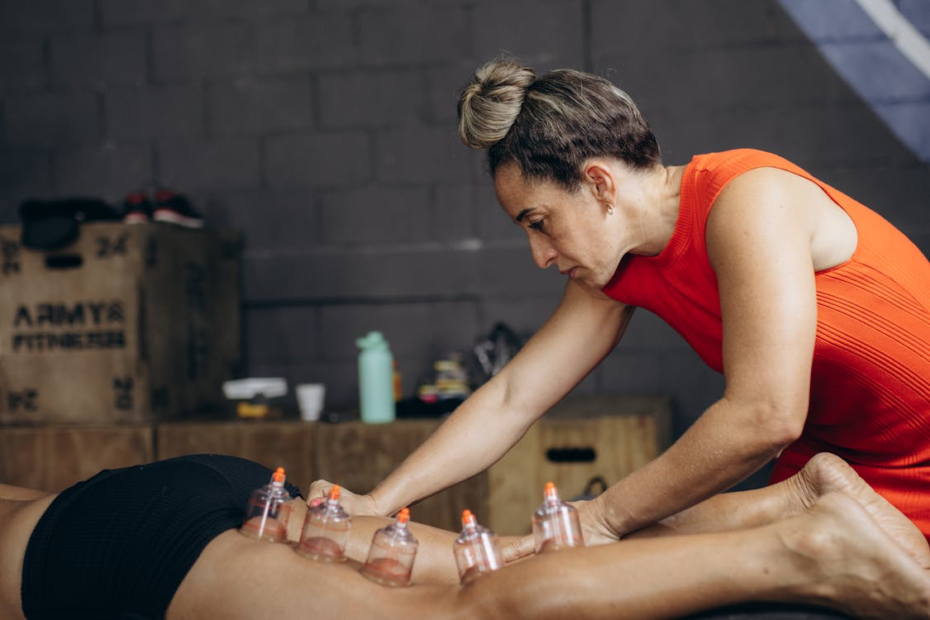
The body isn’t passive. It fixes, replaces, adjusts—quietly, most of the time without asking. Cells break down, new ones step in, tissues mend in ways that look simple from the outside but aren’t. Skin closes. Muscle rebuilds. Even the liver—damaged, stressed—tries again. This regenerative pull is always on, but it slows, gets uneven, sometimes confused by the way we live. Not broken exactly, just… crowded out. Too much stress, poor food, constant sitting, light at the wrong hours. It adds up. So the idea isn’t to “activate” anything magical. It’s to stop interfering. Let the system do what it was already doing.
Food is the obvious place people start, though it’s often treated like a checklist. It’s not that clean. The body needs raw material—protein for rebuilding, fats for structure, micronutrients for signaling. Without them, repair slows. Not stops, just drags. Whole foods help here, mostly because they bring complexity: vegetables with fiber plus compounds that don’t show up on labels, fruit that does more than sugar, eggs that carry dense nutrition in a small space. It doesn’t have to be perfect. But it has to be consistent.
Movement — Not Intensity, Just Use
The body adapts to what it’s asked to do. Use it, it maintains. Don’t, it sheds capacity. Muscle isn’t just for strength; it’s metabolic, it helps regulate blood sugar, supports repair indirectly. Light resistance, walking, even simple stretching—these send signals. “Keep this tissue.” Without those signals, the body saves energy by letting things decline. Efficient, but not helpful long term.
Overtraining is its own problem though. Too much stress, too little recovery, and repair systems get overwhelmed. You see it in persistent soreness, sleep issues, mood dips. Balance isn’t a clean line. It shifts. Some days push, others step back.
After a while, interest tends to shift toward more targeted support—people start looking into a stem cell support supplement as something that can work alongside their habits. Used properly, it isn’t a shortcut but more of a support layer; something that may help fill nutritional gaps, possibly support cellular health, and complement what the body is already trying to do. It works best when it’s not relied on alone. The real foundation stays the same—daily behavior, repeated over time, small consistent inputs that the body can actually use. Supplements can assist, but they don’t replace the basics.
Sleep — Where Most Repair Actually Happens
Sleep isn’t passive downtime. It’s when repair peaks. Hormones shift, growth processes increase, the brain clears waste—literal waste, not metaphor. Cut sleep short, and the body still tries to fix things, just less effectively.
People underestimate how sensitive this system is. Light at night disrupts it. Irregular schedules confuse it. Even stress—mental, unresolved—keeps the system half-alert when it should drop. Deep sleep matters more than total hours sometimes, though both count.
And yet people chase hacks. Supplements, devices, metrics. Useful maybe, but the basics still win: dark room, steady timing, less stimulation before bed. Simple, hard to maintain.
Stress — The Quiet Saboteur
Chronic stress doesn’t feel like injury, but it acts like one internally. Hormones stay elevated, inflammation creeps up, repair gets deprioritized. The body shifts into survival mode—short term thinking. That’s useful if there’s an actual threat. Not when it’s constant.
Managing stress isn’t about eliminating it. Impossible. It’s about reducing the load, giving the system breaks. Breathing exercises help some people. Time outside, even better. Social connection—underrated, yet it shifts physiology in ways we don’t fully map out.
But sometimes nothing works cleanly. Stress sticks. That’s reality. The goal becomes mitigation, not perfection.
Nutrition Timing and Fasting — Not Magic, But Useful
There’s a lot of noise around fasting. Some of it exaggerated. Still, periods without constant eating do seem to trigger cleanup processes—autophagy, cell recycling. The body clears damaged components, makes space for new ones.
But extremes backfire. Long fasts without context can stress the system, especially if nutrition is already poor. Short windows, occasional breaks from eating—that’s where most people land. It’s less about strict schedules, more about not overwhelming the system all the time.
Eating late at night disrupts repair too. The body is dividing attention—digesting when it should be restoring. Small shift, noticeable effect.
Sunlight, Air, and Things That Don’t Look Like “Health”
Natural light regulates circadian rhythm. Morning exposure tells the body what time it is, anchors hormonal cycles. Without it, sleep drifts, energy dips, repair loses its timing.
Fresh air matters in ways that are hard to quantify. Not just oxygen, but the act of being outside—lower stress, subtle shifts in physiology. Even brief exposure helps.
These are simple inputs. Easy to ignore because they don’t feel like interventions.
Inflammation — Not Always the Enemy
Inflammation is part of repair. It signals damage, starts the process. The issue is chronic, low-grade inflammation that doesn’t resolve. Diet contributes here—highly processed foods, excess sugar, poor fats. So does stress, lack of sleep, inactivity.
Anti-inflammatory habits aren’t about eliminating inflammation entirely. That would be harmful. It’s about letting it rise when needed, then fall back. That rhythm matters.
Certain foods help regulate this—fatty fish, leafy greens, spices like turmeric. Not miracle fixes. Just small adjustments that add up.
The Uneven Reality of Regeneration
No one does all of this perfectly. The body doesn’t require perfection. It responds to patterns over time. A few good days don’t fix everything, a few bad ones don’t ruin it either. It’s the direction that counts.
Some damage accumulates anyway. Aging happens. Regeneration slows. That’s part of the system, not failure. Still, supporting what remains—through sleep, food, movement, stress control—keeps the process working longer, more smoothly.
And that’s the real point. Not to chase ideal health, not to optimize every detail. Just to remove friction. Let the body do what it’s built to do, even if imperfectly, even if uneven.